header image: psychological horror film obsession
words: Son Pham, @beyondson_
aka what gen z horror says about the future
in what feels like an unprecedented event that makes hollywood executives nauseous – and likely teaches them a lesson about investing in smaller-budget movies with interesting storylines instead of boring blockbusters with the same five faces – backrooms and obsession have become unlikely box-office phenomena.
collectively, they have made over $500m globally. backrooms has now held the title of a24’s highest-grossing ever (for a movie produced on a $10m budget); the micro-budget sensation obsession made $34.1m in its fifth global weekend. the math – and the sentiment – around both those movies is clear: the audience relates to them.
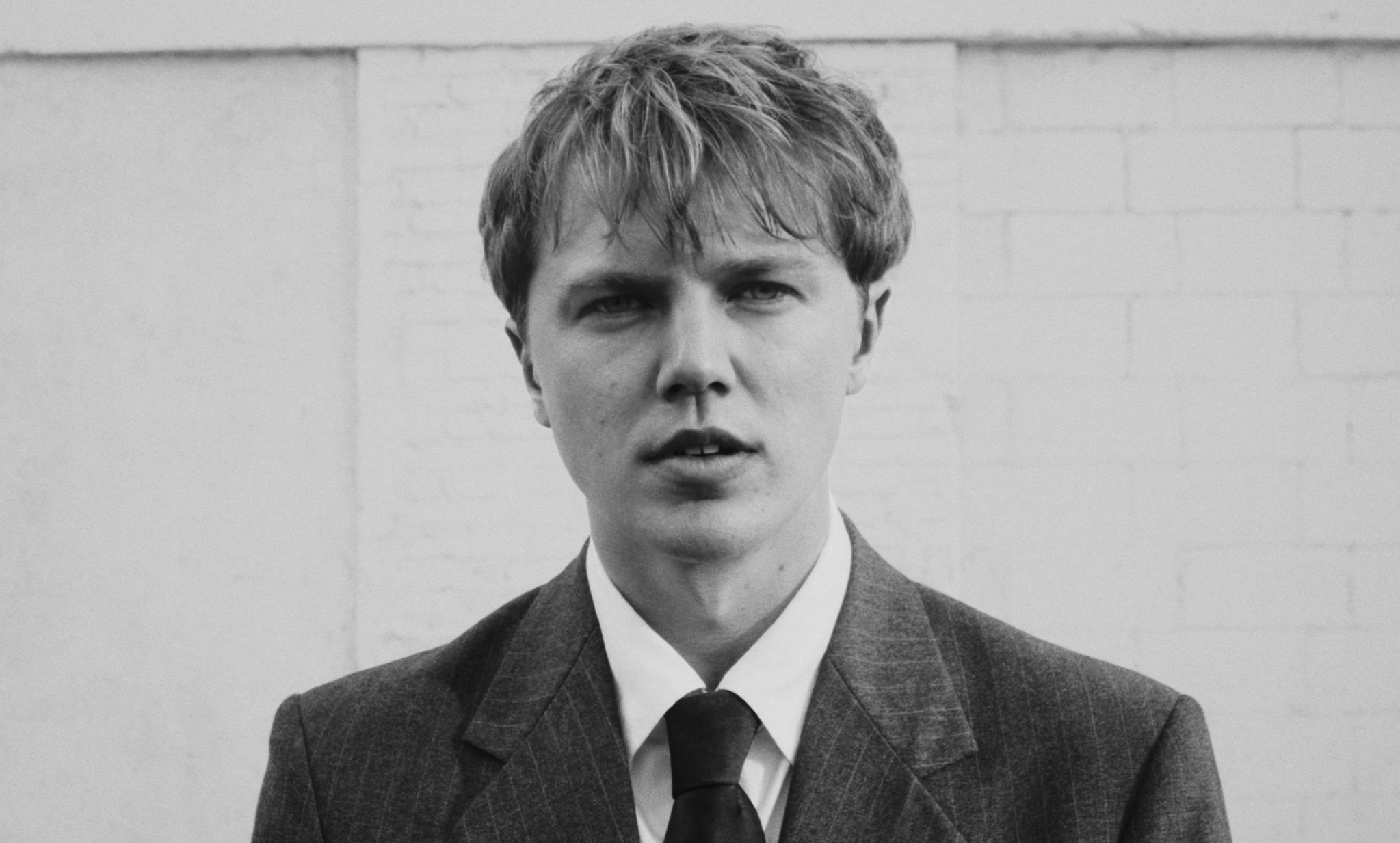
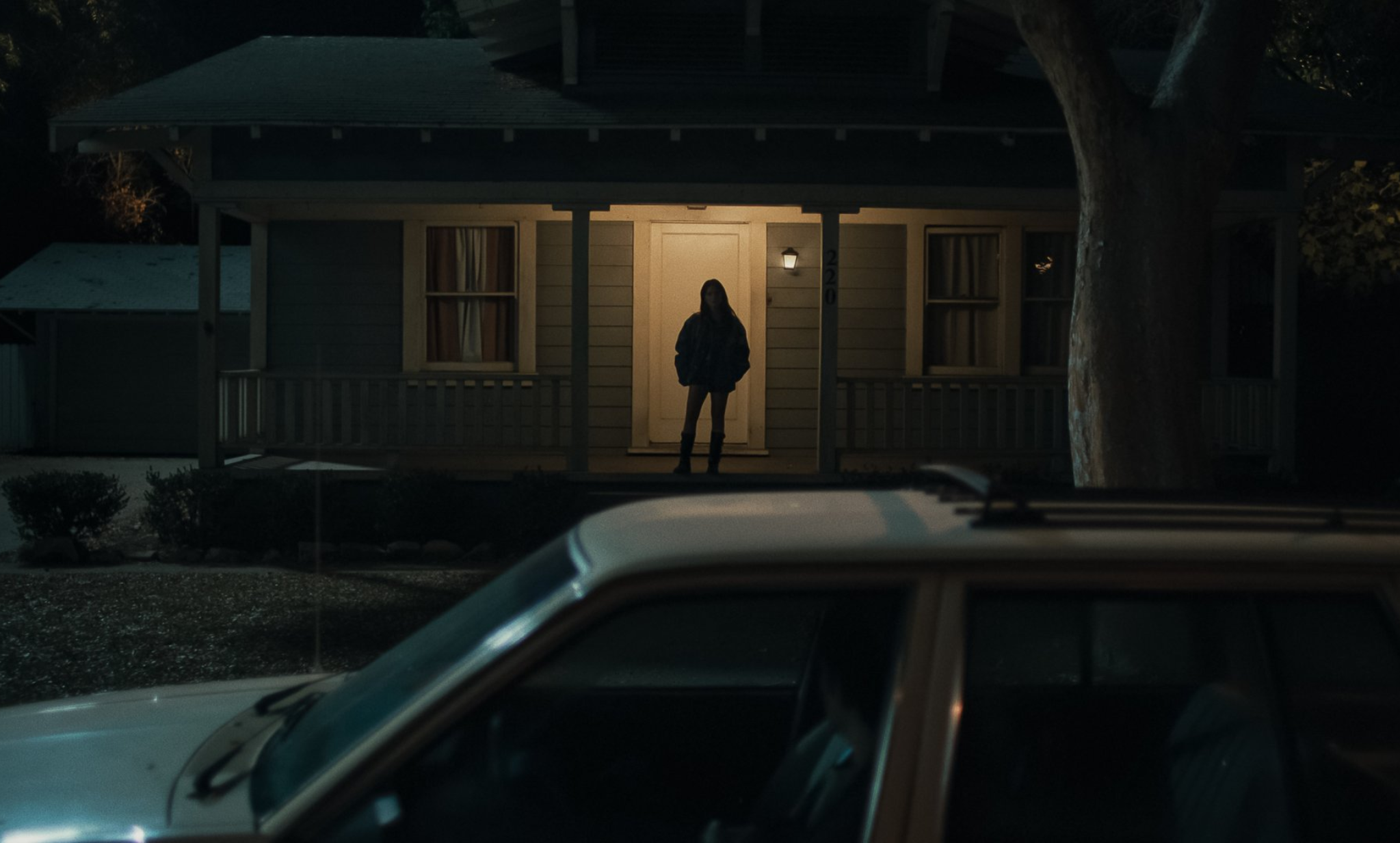
both – aside from being directed by online gen z directors and youtube sensations that have stormed hollywood – tell two distinct stories with a staggeringly similar sense of dreadful entrapment. backrooms traps its characters in an infinite maze of uncanny, liminal space; obsession traps bear (portrayed brilliantly by michael johnston) inside a relationship he wished for. the feeling is identical: there is no way out.

classic horror movies usually offer a way out, and a final girl is the beating heart of the genre – literally and metaphorically, given her heart would still beat after being slashed so many times, like the prices at tk maxx at christmas. she would survive to confront the killer and tell the story. the trope promises that the only way out is through – no matter how many twists and turns, no matter how many screams, there is always a final destination. we’d survive. we’d be left with apparent victory, even if it’s a sand castle.
but for sibusisiwe thelma khupe, a 26-year-old content creator and host of the discourse department, the trope always felt artificial. for previous generations, there was a sense of millennial optimism and possibility that shaped the stories being told. “the generation before us came of age during a time that, despite its problems, still carried a broader cultural belief that things would eventually improve,” she says. the final girl, she argues, was the product of that belief, and is now, in her words, “a pack of piss.”
in backrooms and obsession, that final girl promise is dismantled entirely.

the liminal spaces of backrooms – empty hallways, fluorescent-lit piss-yellow overhead lighting, disgustingly narrow staircases – represent an emotional and psychological void which is a literal manifestation of society’s disconnection, information overload, sensory overwhelm, unrelenting anxiety. obsession, meanwhile, is a spotlight on a generation crippled by a fear of rejection, a lack of communication and a desire to be loved so deeply that they resort to shortcuts and wishes – one in its case. the journey in both films is just a maze full of trapdoors without an exit.
dr sarah lahm, a horror researcher focusing on film and culture studies at the university of leeds, argues the pessimism in both films – “the idea that there is no exit, and there never was” – maps directly onto a generation that has grown up amid geopolitical helplessness, the rise of far-right movements at home and abroad, and an overwhelming, seemingly endless torrent of content. aligning with a final girl, she suggests, no longer makes sense. fully embracing the feeling of entrapment does.
it comes as no surprise that young viewers are engaging with these films in a big way. around 80% of moviegoers for backrooms and obsession are under 35. generally, according to a us-based fandango survey, gen z – credited with reviving the silver screen – are now the most frequent cinemagoers, with 87% having seen at least one film in a cinema in the past 12 months.
these viewers, frequently dubbed ‘generation anxiety’, have grown up in a world where the traditional markers of adulthood – stable work, homeownership, a legible future – feel increasingly fictional. they face a lack of housing (what is a housing ladder?), uncertain geopolitical landscapes, climate change and relentless digital scrutiny – the exact pressures both films seem to be processing. there are so many things at their fingertips, but the fear of being perceived makes everything more claustrophobic than ever. “we’re living in a simulation,” khupe says, “constantly aware of everything happening around us but with very little ability to change it.” their nightmare isn’t being hunted, but the growing suspicion that there was never a way out.
it’s what jordan mulvaney, cultural strategist at digital insights platform clickba!t, calls a ‘horrornaissance’ – a horror renaissance that has been growing each year, coinciding with the horrors of the real world. what makes backrooms and obsession particularly fascinating, he argues, is that their roots are in online culture that is fully embraced by gen z – making them a new kind of “elevated horror”, one without “all the blood and guts”, that offers “one of the clearest mirrors of what it feels like to be a young person right now.” every generation had its monsters, mulvaney notes, but gen z’s are invisible: algorithms, loneliness, climate anxiety, ai, parasocial relationships, loss of identity.
backrooms and obsession aren’t just box-office anomalies; they’re symptoms of gen z’s relationship with entrapment, precarity and the collapse of progress narratives, which is the more urgent cultural story hiding inside their success. watching characters confront situations they can’t escape is compelling precisely because it mirrors fears this generation has already been carrying. in a world that demands neat endings, these films refuse – and that refusal, it turns out, is exactly what a generation raised without a safety net has been waiting to see. “for a generation that’s often sceptical of fairy-tale endings,” khupe says, “it’s weirdly satisfying.”