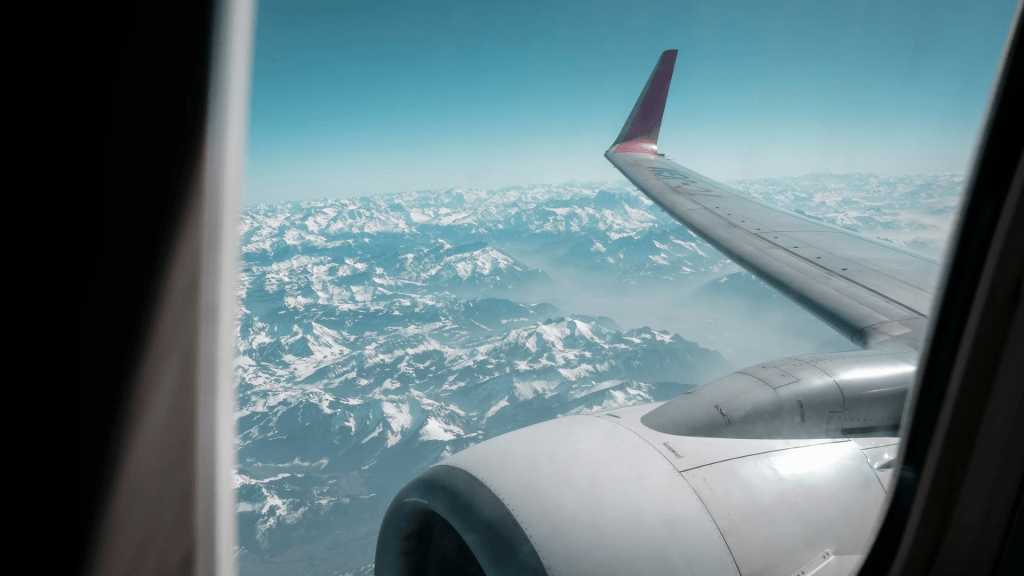
header image: courtesy of good flyte
words: echowave hq
off to a flying start!
all of a sudden, every single person you know is jetting off to japan. the country’s tourism surged massively over the last couple of years, spearheaded by Young solo travellers – visitors in the 18-28 age bracket accounted for more than 70% of japan’s Budget Tour Packages.
but when you take a moment to think about it (like, really think), japan’s rise in popularity doesn’t come as that much of a surprise. ‘japan 2026’ continues to be one of tiktok’s latest viral obsessions, and just a single look at your instagram feed will present you with an infinite amount of camera roll dumps featuring your mates enjoying their time in tokyo or osaka.
and if it’s not japan, everyone is seemingly planning their next trip to thailand, or already heading straight down under. hey, we get it – a long-haul flight sounds tempting… once you learn to ignore the Aerophobia, that is.
either way, we’re already looking at ways to cut down our spending (sorry work drinks, you’re on the chopping block), so that we can finally get that trip out of the groupchat. if you’re anything like us, though, flying often comes with an unpleasant sense of Grogginess and exhaustion. making a day out of your next airport trip might sound like a fun idea, however, waiting three hours to board the plane certainly isn’t. neither is being squished in a cramped, tight seat.
luckily for you (& us, of coursE), we’ve caught up with good flyte, a new travel and wellness supplement, designed to combat jet lag. the good folks there have shared some pretty useful advice on how to make flying feel less daunting.
check out their tips below.
#1: Use electrolytes, not just water
It’s key to consider staying hydrated before, during and after a flight, not just once you’re onboard.
Electrolytes can help your body absorb fluids more effectively than water alone.
Cabin air is extremely dry, often drier than many deserts, so dehydration happens father than most people realise, contributing to headaches, fatigue and that dry, drained feeling on arrival.
#2: support your immune system before you travel
Airports and aircraft cabins involve close contact with a lot of people.
Taking basic vitamins to support your immune system can help fend off common travel bugs no one wants to arrive on holiday with a cold.
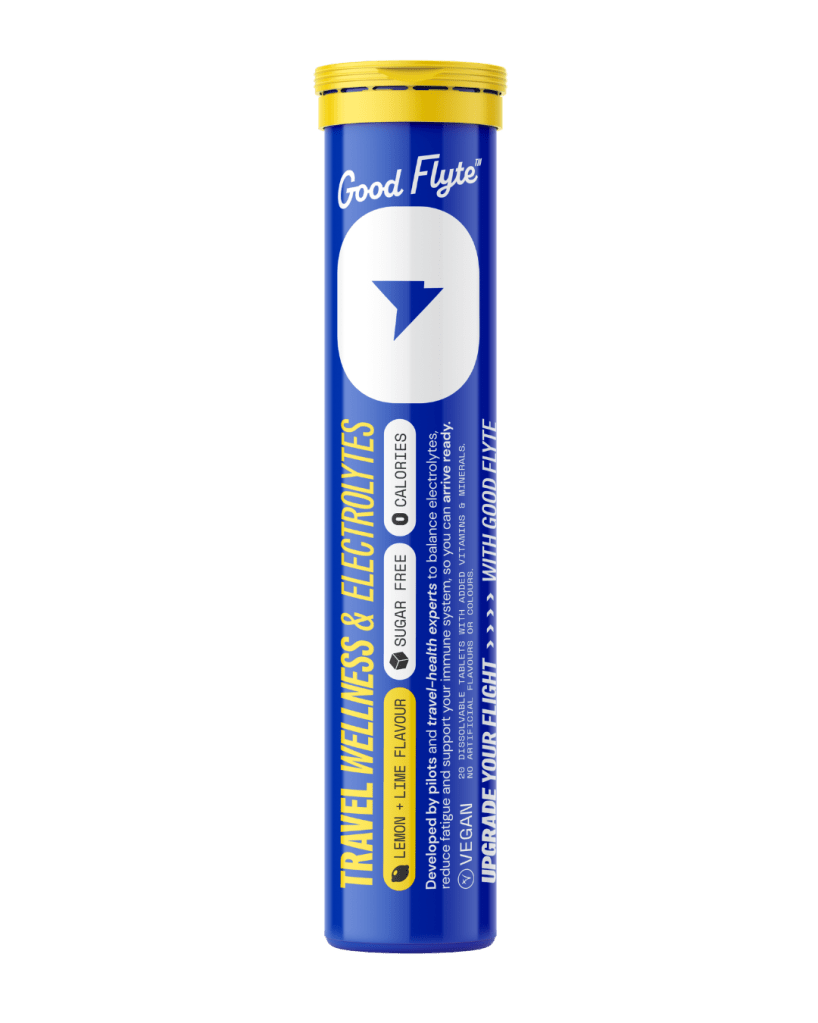
Good Flyte Travel Wellness & Electrolytes
£9.99, good flyte
#3: power nap like an astronaut
A short afternoon nap can make a big difference. [in fact,] A 90-minute or three-hour nap fits natural sleep cycles.
If you’re short on time, pilots often use the 26-minute ‘NASA nap’, which has been shown to boost alertness by around 54% and performance by 34% without the grogginess that comes from deeper sleep.
#4: Less turbulence: sit further forward if you can
Turbulence is usually felt more strongly at the back of the aircraft. Sitting closer to the front tends to be smoother and quieter, as you’re also further from the engines.
#5: Keep it clean
If you’re taking hand sanitiser on a flight (which we very much recommend), choose a spray pump rather than a gel.
A spray makes it quick and easy to sanitise high-touch areas such as your tray table, armrests, and seat controls as well as your hands without leaving sticky residue or needing to slather gel everywhere. A small switch that makes staying clean in the air far easier.
#6: DIY upgrade
In economy, paying a little extra for a bulkhead seat can significantly improve comfort on longer flights.
A useful trick is placing a small bag in front of you to use as a footrest once airborne. If you’re seated in a bulkhead row, this can make an economy seat feel far more premium.
#7: Eat light and familiar before flying
Avoid bloating by choosing lighter foods before you fly. Opt for porridge and blueberries rather than a full fry-up at the airport.
It’s also best to avoid carbonated drinks, as they can add to bloating at altitude, stick with still water instead.
#8: Bring proper noise-cancelling headphones
They’re one of the most underrated flight essentials. Good noise cancellation reduces engine noise and nearby passenger noise, making rest or sleep far easier than relying on airline-provided headphones.
#9: Start recovery the moment you land
Rehydrate, get moving, and expose yourself to daylight as soon as possible.
If you’re crossing time zones, try to stay awake until an appropriate local bedtime, anything after around 6pm is a win. If you’re really struggling, a short nap can help, but longer naps are hard to wake from.
a pretty useful trick is a having coffee followed by a 26-minute nap. The caffeine kicks in just as you wake up, helping you feel alert rather than groggy.

we think you might like:







 echowave