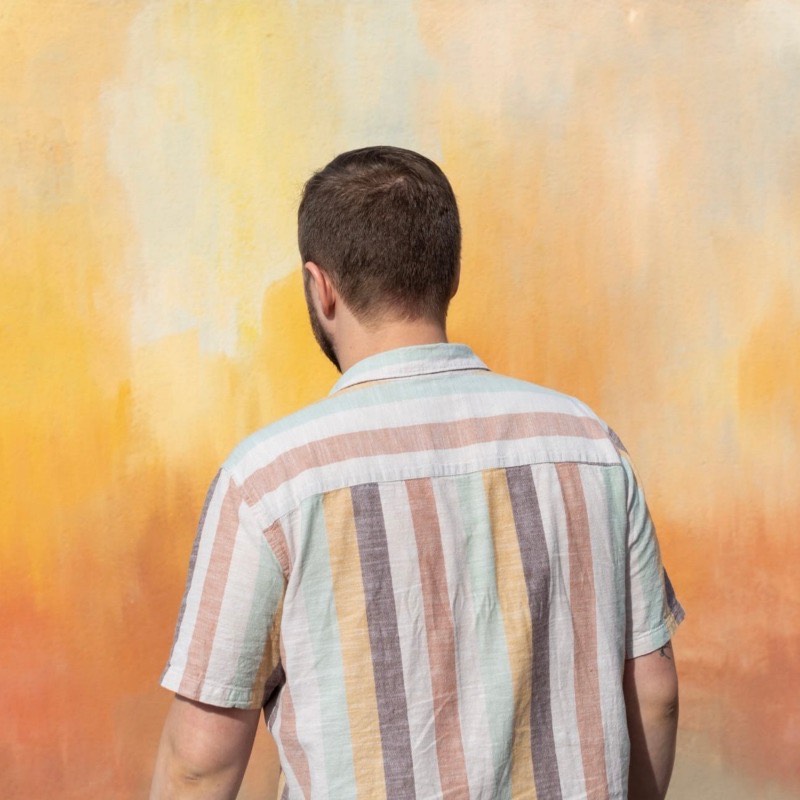
image creds
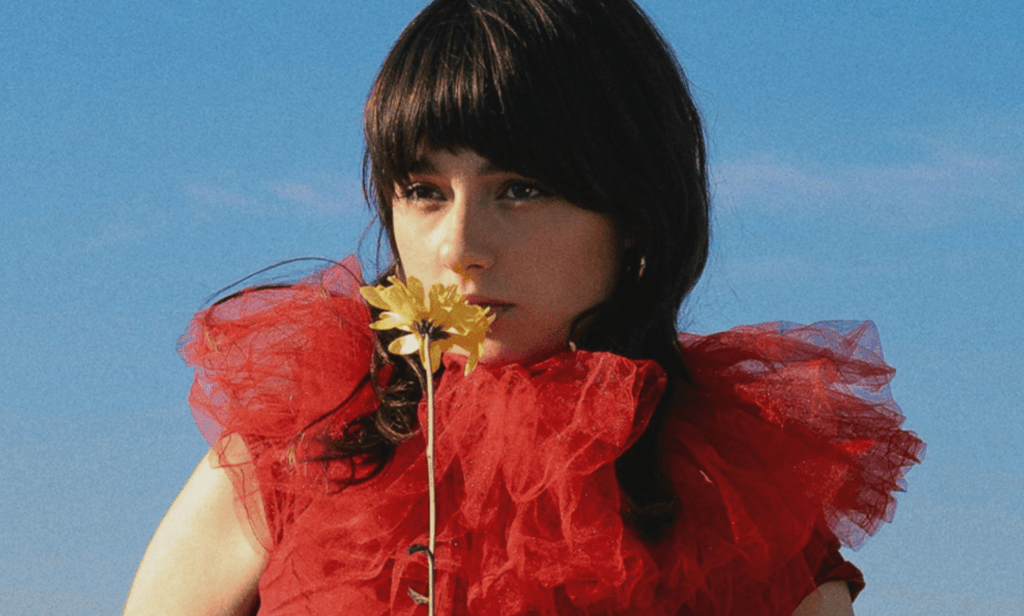
photo courtesy of abi baldwin
watch out, london! there's a new rockstar in town
just a couple of weeks ago, up-and-coming singer, songwriter, and instrumentalist lazel james dropped his debut record, always wanting the other side.
it’s the type album that was meant to be heard live, there’s no doubt about it.
clocking in at just under thirty minutes, the lp features eight tracks that blend twangy alt-rock guitar riffs with carefree lyrics reminiscent of the early britpop movement – and yes, we’re talking about the likes of oasis.
to celebrate the album’s release, we’ve pinged him over some questions about songwriting, performing, and musical inspirations.
scroll down to hear what the emerging musician had to say.
Congrats on the release of your debut album. what did putting it out feel like?
LJ: To be honest, it felt like a relief! I wrote the songs years ago, and I worked on the recording and mixing for so long that to get to this point feels like a miracle.
I’m usually one step ahead when it comes to ideas, so I’m more than ready for the next one!
You just had your album release party at Folklore Hoxton. What’s your favourite part about performing music in front of a LIVE audience?
LJ: There’s nothing better than the instant acceptance or rejection of a song when playing live.
It’s a fascinating focus group! Even if a tune goes down like a lead balloon, I love taking that on as feedback – what works and what doesn’t.
You can have a song you love get a mediocre reaction, while one you hadn’t thought twice about gets the biggest cheer. It keeps you on your toes, and sort of suggests a direction to go down musically in the future.
we really love that you wrote all of the album’s songs, both on your own and with some co-writers. Is songwriting an important part of your creative process?
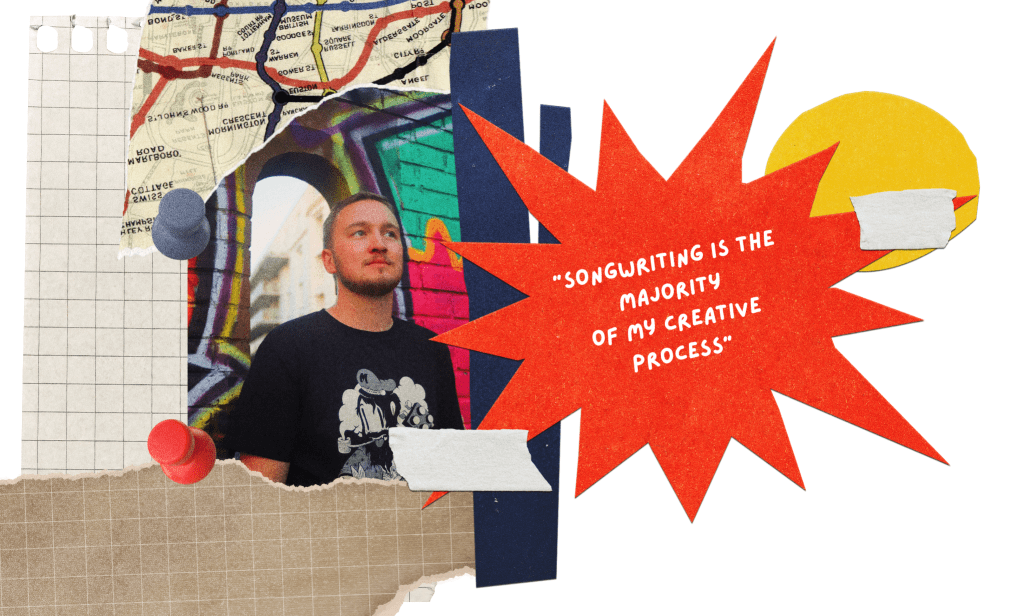
LJ: I’d say songwriting is the majority of my creative process. I love to write lyrics, and come up with melodies quite naturally. I also enjoy messing around with chords and keys.
I have written with others before, but I always have a deeper connection and understanding with a song that I’ve written fully.
it might seem like there’s an obvious answer to this, but should musicians write their own music?
LJ: I would say it’s an artist’s responsibility to have some say over the final product, but some of my favourite singers have great songs written for them by talented songwriters.
Not every songwriter wants to be a performer, and vice versa, and I think that’s completely okay. Artists that just grab a fully formed song and don’t bother to put their stamp on it though are just lazy!
WHAT ARE YOUR THOUGHTS on the rise of AI? should there be measures to safeguard the creative arts?
LJ: I think it’s a lofty question with no solid answer. I totally believe that there should be safeguards in place to protect intellectual property from being stollen for AI learning, and I think that the response from governments so far has been beyond disappointing. Not surprising, mind you! But disheartening.
The integration of ‘AI tags’ so-to-speak on social media has is a step in the right direction, and the negative reaction to AI art as a whole from people has been comforting.
Does artificial intelligence belong in human storytelling?
LJ: I see it like a gun. It’s a tool that can be used for good and evil, but at its core is a destructive instrument; it should never be a first resort, and I don’t believe that there is any scenario in music where it should be used. It’s lazy people using it as a short cut for their creative output, and while that can take many forms – writers making backing tracks, people with little resources wanting to express themselves, etc. – I feel that putting the effort in will always get better results, and feel more whole. Especially if it’s intended for commercial release.
Having said that, there may be avenues I haven’t considered, and I’m definitely not an expert. All I know is that it will never be a part of my process, and I may one day forgo computers and phones at all when writing and recording just to prove a point.
Which of the album’s tracks were you most excited for people to hear?
LJ: I think ‘Muscle Memory’ and ‘Sad-Suma’ are the ones I’m most excited about, just because they’re the strangest songs on the album, and because they feature some of my musician friends on guitar and bass Clarinet respectively.
AND MOST NERVOUS?
LJ: I had some nerves over ‘Always Wanting’… just because I wasn’t sure how people would take my rock direction, or my music in general, and it was a good parameter for how the rest of the album would go. Also She Does My Head In because it sounds meaner that it is and I worried people might take it the wrong way!
Were you always set on Always Wanting The Other Side as the album title?
LJ: I considered having it self titled, but when the lyric came to me for the song I thought it sounded cool. Plus, it represented how I feel about music from time to time; doing one thing whilst always wanting to do another.
If you could describe the project in three words, what would they be?
LJ: Rough, but fun!
let’s shoutout some fellow artists. who are some of your biggest musical influences?
LJ: Longterm influences have been artists like Radiohead, Tears For Fears, Joni Mitchell, George Michael, Gabrielle Aplin – to name a few – but I’m constantly being inspired by new artists I discover, as well as my musical friends.
People like Folk Bitch Trio, Richard Hawley, and Geese, and mates like Howard Gray, Ula, and Diego Philips, all amazing songwriters and producers in their own right with projects out.





 echowave